

PIGNATELLI & ASSOCIATES, P.C.
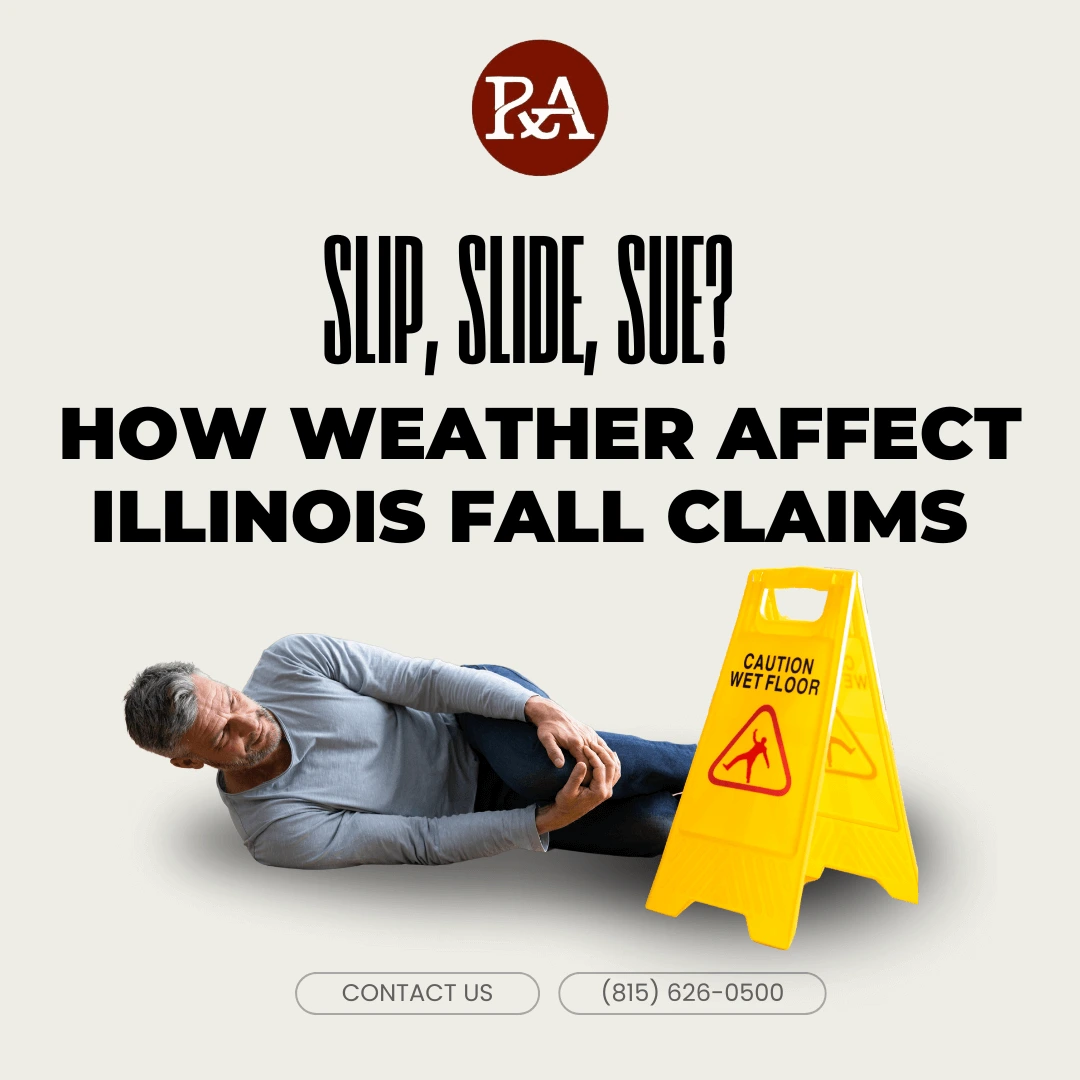
Slip, Slide, Sue? Can Weather Play a Role in Fall Claims in Illinois?
Related Posts




Tags


February 26, 2025
\

Pignatelli, P.C
Slip and fall accidents can lead to more than just physical injuries—they often result in complex legal battles. In fact, it is responsible for over eight million emergency room visits each year.
A substantial portion of these incidents are attributed to adverse weather conditions. Elements such as rain, snow, and ice can transform everyday environments into hazardous zones, significantly increasing the risk of falls. When weather conditions are involved, determining liability can become even more challenging.
AWARD-WINNING TEAM
Your Pain Deserves Justice.
We'll Fight Until You Get It.
- 100% Free Consultation
- No Win, No Fee Guarantee
- 24/7 Available
5/5
500+ successful cases
You Don't Pay Unless We Win!
Connect With Us Today For A Free Consultation.
$105,000,000+
Recovered For Our Clients
Get Your Free Case Evaluation
Call Intake Form – Pignatelli & Associates
Client Intake, Existing Case, and Call Routing Form
"*" indicates required fields
Read on to examine the impact of weather on these accidents in Illinois and the steps victims can take to seek compensation.
Understanding Slip and Fall Claims
Slip and fall claims arise when an individual is injured due to hazardous conditions on someone else’s property. These claims are part of premises liability law, which holds property owners and occupiers responsible for maintaining safe conditions.
Common causes of slip and fall accidents include:
- wet floors
- uneven surfaces
- poor lighting
- adverse weather conditions (e.g. ice and snow)
To succeed in a slip and fall claim, the injured party must prove that the property owner was negligent in maintaining safe premises or did not provide adequate warnings about potential dangers.
Legal Considerations in Weather-Related Fall Claims
Understanding these legal considerations is essential for both property owners and individuals pursuing slip and fall claims. Recognizing responsibilities and potential liabilities, allows all parties to gauge weather-related fall incidents.
Here are the legal considerations involved:
Duty of Care
Property owners have a duty to maintain safe conditions on their premises. This includes taking reasonable measures to prevent accidents caused by weather conditions.
Reasonable Measures
The law generally requires property owners to take reasonable steps to mitigate weather-related hazards. What constitutes “reasonable” can depend on various factors such as:
- the severity of the weather,
- the time of day, and
- the resources available to the property owner.
Failure to take such measures can be seen as negligence.
Comparative Negligence
In many jurisdictions, the concept of comparative negligence is applied. This means that if the injured party is found to be partially responsible for their fall (e.g., not paying attention to posted warnings), their compensation may be reduced proportionately.
Timeliness
Property owners must act within a reasonable timeframe to address weather-related hazards. Delays in taking action can be seen as negligence, especially if the hazardous condition was still present and no steps were taken.
Documentation and Evidence
It is crucial to gather evidence demonstrating the property owner‘s negligence. This can include photographs of the hazard, witness testimonies, maintenance logs, and weather reports. Proper documentation strengthens the claim and helps establish that the property owner failed to take necessary precautions.
5 Steps to Take After a Weather-Related Fall
Step 1: Seek Immediate Medical Attention
Prioritize your health by getting checked for injuries – even if they seem minor. Prompt medical evaluation ensures that any injuries are documented and treated. This step is crucial for your recovery and creating an official incident record.
Step 2: Report the Incident
Notify the property owner or manager about the fall as soon as possible. Ensure that an incident report is filed, detailing the circumstances of the fall. This step creates an official record and helps in establishing that the incident occurred on their property.
Step 3: Gather Evidence
Collect evidence at the scene to support your claim. Take photographs of the hazardous conditions that caused the fall (e.g., icy sidewalk, wet floor). If possible, gather contact information from witnesses who saw the incident or can attest to the unsafe condition.
Step 4: Document Everything
Keep detailed records of everything related to the fall. This includes the following:
- medical treatment bills
- injury reports
- communication with property owners
- expenses incurred as a result of the accident.
This documentation is vital for substantiating your claim and calculating actual damages.
Step 5: Consult a Personal Injury Attorney
Seek legal advice from an experienced personal injury attorney who specializes in slip and fall cases. An attorney can guide you through the legal process, help gather additional evidence, and represent your interests to ensure you receive fair compensation.
How Pignatelli & Associates P.C. Can Help?
Navigating the complexities of a weather-related slip and fall claim can be challenging. Pignatelli & Associates P.C. offers comprehensive legal assistance to ensure you receive the support and compensation you deserve.
Here’s how we can help:
- Expert Legal Guidance
- Thorough Investigation
- Proving Negligence
- Medical and Expert Testimonies
- Maximizing Compensation
- Filing Personal Injury Lawsuit
Pignatelli & Associates P.C. is dedicated to providing personalized and effective legal services.
Conclusion
Slip and fall accidents influenced by adverse weather conditions pose significant risks and challenges for victims. Recognizing the impact of weather, coupled with understanding legal considerations, is vital for building a strong case.
At Pignatelli & Associates P.C., we are committed to helping you through every step of this process. Our expertise in handling slip and fall claims in Illinois ensures that you receive the comprehensive support and representation you need.
If you have been injured in a weather-related slip and fall accident, contact us today to schedule a consultation and learn how we can assist you in pursuing justice and compensation.
Frequently Asked Questions
How does comparative negligence affect my claim in Illinois?
Illinois follows a modified comparative negligence rule. This means that if you are found to be more than 50% at fault, you will not be entitled to any compensation at all
What if the fall happened on public property?
Public entities, such as municipalities or government agencies, are typically subject to sovereign immunity. Simply put, they can only be sued under specific circumstances. Victims usually need to file a formal notice of claim within a short period (often 30 to 90 days) following the incident to preserve their right to sue.
What is Illinois’ statute of limitations for slip and fall claims?
The statute of limitations for filing a slip and fall claim is generally two years from the date of the accident. This timeframe applies to personal injury claims and requires that the lawsuit be filed within this period to avoid being barred. You can consult with Pignatelli & Associates P.C. attorney to ensure your claim is filed within the appropriate time frame
Do insurance companies cover weather-related slip and falls?
Yes, many property insurance policies cover weather-related slip and fall incidents. This coverage typically falls under premises liability which holds property owners responsible for maintaining safe conditions. However, the specifics can vary by policy, so it is essential to review the terms and conditions to understand the extent of coverage for such claims.
Can multiple parties be liable for a weather-related fall?
Yes, liability can be shared among property owners, tenants, and contractors responsible for maintenance and snow removal. For example, if a landlord hires a contractor to clear snow and ice and the contractor fails to perform the job adequately, both the landlord and the contractor could be held responsible for any resulting injuries. You can reach out to out slip and fall accident lawyers to learn more about your options for settlement.

Get Your Free
Consultation Today!

CONTACT US
We Are Here For You
Get Your Free Case Evaluation
Client Intake, Existing Case, and Call Routing Form
"*" indicates required fields
Related Posts
Tags
February 26, 2025
\
Pignatelli, P.C
Slip and fall accidents can lead to more than just physical injuries—they often result in complex legal battles. In fact, it is responsible for over eight million emergency room visits each year.
A substantial portion of these incidents are attributed to adverse weather conditions. Elements such as rain, snow, and ice can transform everyday environments into hazardous zones, significantly increasing the risk of falls. When weather conditions are involved, determining liability can become even more challenging.
AWARD-WINNING TEAM
Your Pain Deserves Justice.
We'll Fight Until You Get It.
- 100% Free Consultation
- No Win, No Fee Guarantee
- 24/7 Available
5/5
500+ successful cases
You Don't Pay Unless We Win!
Connect With Us Today For A Free Consultation.
$105,000,000+
Recovered For Our Clients
Get Your Free Case Evaluation
Call Intake Form – Pignatelli & Associates
Client Intake, Existing Case, and Call Routing Form
"*" indicates required fields
Read on to examine the impact of weather on these accidents in Illinois and the steps victims can take to seek compensation.
Understanding Slip and Fall Claims
Slip and fall claims arise when an individual is injured due to hazardous conditions on someone else’s property. These claims are part of premises liability law, which holds property owners and occupiers responsible for maintaining safe conditions.
Common causes of slip and fall accidents include:
- wet floors
- uneven surfaces
- poor lighting
- adverse weather conditions (e.g. ice and snow)
To succeed in a slip and fall claim, the injured party must prove that the property owner was negligent in maintaining safe premises or did not provide adequate warnings about potential dangers.
Legal Considerations in Weather-Related Fall Claims
Understanding these legal considerations is essential for both property owners and individuals pursuing slip and fall claims. Recognizing responsibilities and potential liabilities, allows all parties to gauge weather-related fall incidents.
Here are the legal considerations involved:
Duty of Care
Property owners have a duty to maintain safe conditions on their premises. This includes taking reasonable measures to prevent accidents caused by weather conditions.
Reasonable Measures
The law generally requires property owners to take reasonable steps to mitigate weather-related hazards. What constitutes “reasonable” can depend on various factors such as:
- the severity of the weather,
- the time of day, and
- the resources available to the property owner.
Failure to take such measures can be seen as negligence.
Comparative Negligence
In many jurisdictions, the concept of comparative negligence is applied. This means that if the injured party is found to be partially responsible for their fall (e.g., not paying attention to posted warnings), their compensation may be reduced proportionately.
Timeliness
Property owners must act within a reasonable timeframe to address weather-related hazards. Delays in taking action can be seen as negligence, especially if the hazardous condition was still present and no steps were taken.
Documentation and Evidence
It is crucial to gather evidence demonstrating the property owner‘s negligence. This can include photographs of the hazard, witness testimonies, maintenance logs, and weather reports. Proper documentation strengthens the claim and helps establish that the property owner failed to take necessary precautions.
5 Steps to Take After a Weather-Related Fall
Step 1: Seek Immediate Medical Attention
Prioritize your health by getting checked for injuries – even if they seem minor. Prompt medical evaluation ensures that any injuries are documented and treated. This step is crucial for your recovery and creating an official incident record.
Step 2: Report the Incident
Notify the property owner or manager about the fall as soon as possible. Ensure that an incident report is filed, detailing the circumstances of the fall. This step creates an official record and helps in establishing that the incident occurred on their property.
Step 3: Gather Evidence
Collect evidence at the scene to support your claim. Take photographs of the hazardous conditions that caused the fall (e.g., icy sidewalk, wet floor). If possible, gather contact information from witnesses who saw the incident or can attest to the unsafe condition.
Step 4: Document Everything
Keep detailed records of everything related to the fall. This includes the following:
- medical treatment bills
- injury reports
- communication with property owners
- expenses incurred as a result of the accident.
This documentation is vital for substantiating your claim and calculating actual damages.
Step 5: Consult a Personal Injury Attorney
Seek legal advice from an experienced personal injury attorney who specializes in slip and fall cases. An attorney can guide you through the legal process, help gather additional evidence, and represent your interests to ensure you receive fair compensation.
How Pignatelli & Associates P.C. Can Help?
Navigating the complexities of a weather-related slip and fall claim can be challenging. Pignatelli & Associates P.C. offers comprehensive legal assistance to ensure you receive the support and compensation you deserve.
Here’s how we can help:
- Expert Legal Guidance
- Thorough Investigation
- Proving Negligence
- Medical and Expert Testimonies
- Maximizing Compensation
- Filing Personal Injury Lawsuit
Pignatelli & Associates P.C. is dedicated to providing personalized and effective legal services.
Conclusion
Slip and fall accidents influenced by adverse weather conditions pose significant risks and challenges for victims. Recognizing the impact of weather, coupled with understanding legal considerations, is vital for building a strong case.
At Pignatelli & Associates P.C., we are committed to helping you through every step of this process. Our expertise in handling slip and fall claims in Illinois ensures that you receive the comprehensive support and representation you need.
If you have been injured in a weather-related slip and fall accident, contact us today to schedule a consultation and learn how we can assist you in pursuing justice and compensation.
Frequently Asked Questions
How does comparative negligence affect my claim in Illinois?
Illinois follows a modified comparative negligence rule. This means that if you are found to be more than 50% at fault, you will not be entitled to any compensation at all
What if the fall happened on public property?
Public entities, such as municipalities or government agencies, are typically subject to sovereign immunity. Simply put, they can only be sued under specific circumstances. Victims usually need to file a formal notice of claim within a short period (often 30 to 90 days) following the incident to preserve their right to sue.
What is Illinois’ statute of limitations for slip and fall claims?
The statute of limitations for filing a slip and fall claim is generally two years from the date of the accident. This timeframe applies to personal injury claims and requires that the lawsuit be filed within this period to avoid being barred. You can consult with Pignatelli & Associates P.C. attorney to ensure your claim is filed within the appropriate time frame
Do insurance companies cover weather-related slip and falls?
Yes, many property insurance policies cover weather-related slip and fall incidents. This coverage typically falls under premises liability which holds property owners responsible for maintaining safe conditions. However, the specifics can vary by policy, so it is essential to review the terms and conditions to understand the extent of coverage for such claims.
Can multiple parties be liable for a weather-related fall?
Yes, liability can be shared among property owners, tenants, and contractors responsible for maintenance and snow removal. For example, if a landlord hires a contractor to clear snow and ice and the contractor fails to perform the job adequately, both the landlord and the contractor could be held responsible for any resulting injuries. You can reach out to out slip and fall accident lawyers to learn more about your options for settlement.