
PIGNATELLI & ASSOCIATES, P.C.
What Victims Need to Know About Vicarious Liability in Illinois
Related Posts
Tags


October 1, 2025
\

Pignatelli, P.C
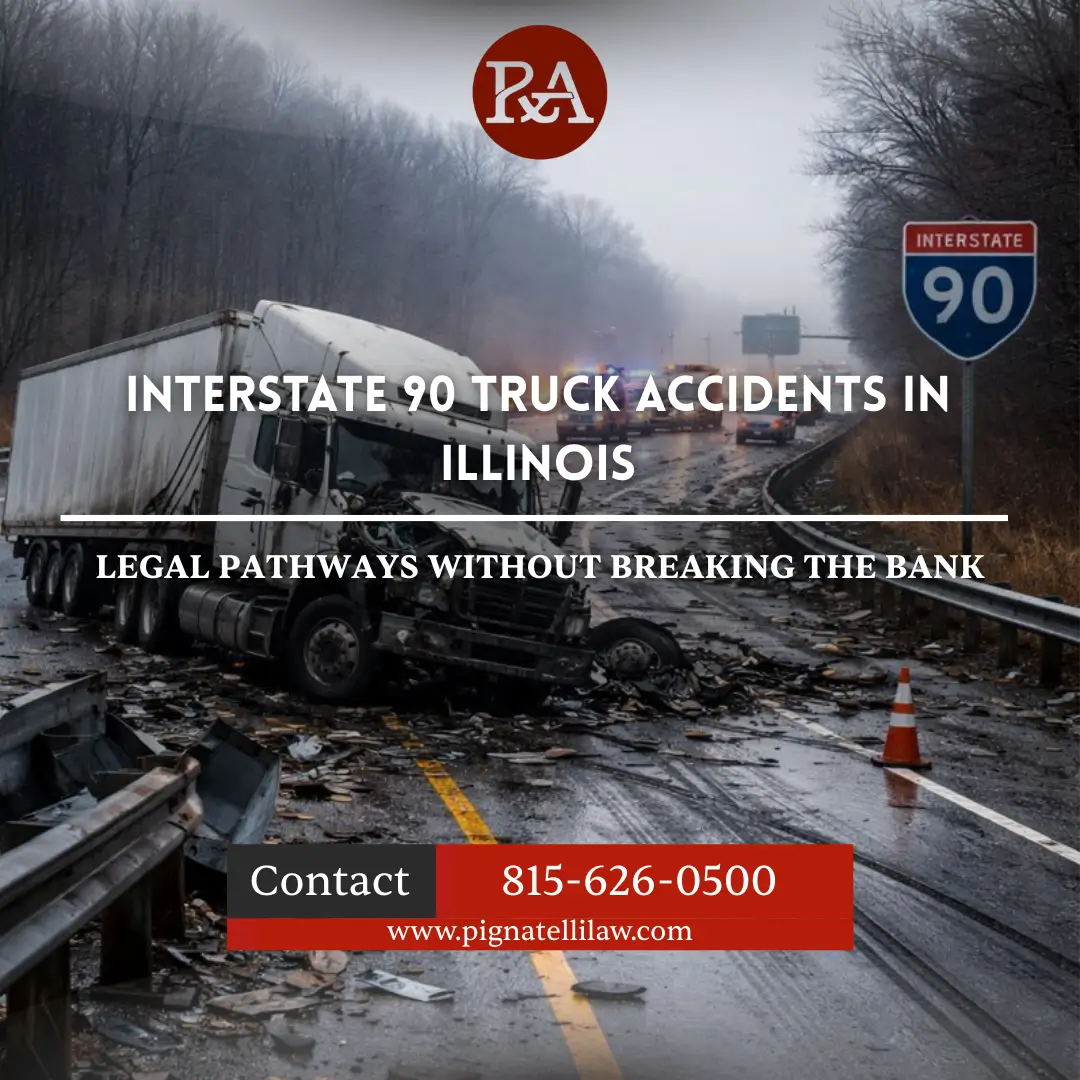
When a truck driver runs a red light on I-90 near Rockford and causes a devastating crash, most victims assume the only person they can hold accountable is the driver behind the wheel. The truth is more complex — and far more important for your recovery. Under Illinois law, injured victims may also hold the employer responsible through a legal principle known as vicarious liability.
This doctrine, also called respondeat superior, means that businesses, hospitals, and corporations can be held legally accountable for the negligence of their employees when those employees are acting within the scope of their job duties. For victims, this often opens the door to larger insurance policies, higher settlements, and a better chance of recovering full compensation for medical bills, lost wages, and long-term care.
AWARD-WINNING TEAM
Your Pain Deserves Justice.
We'll Fight Until You Get It.
- 100% Free Consultation
- No Win, No Fee Guarantee
- 24/7 Available
5/5
500+ successful cases
You Don't Pay Unless We Win!
Connect With Us Today For A Free Consultation.
$105,000,000+
Recovered For Our Clients
Get Your Free Case Evaluation
Call Intake Form – Pignatelli & Associates
Client Intake, Existing Case, and Call Routing Form
"*" indicates required fields
At Pignatelli & Associates, P.C., we’ve spent decades proving employer liability in cases involving truck accidents, workplace injuries, medical malpractice, and negligent security. With over $105 million recovered for Illinois clients, our attorneys know how to cut through corporate defenses and hold every negligent party accountable.
Key Takeaways
Vicarious liability (respondeat superior) allows victims to hold employers, hospitals, and businesses accountable for the negligent actions of their employees.
In Illinois, victims must prove an employment relationship, that the wrongful act occurred within the scope of employment, and that the act directly caused their injuries.
Common examples include trucking companies responsible for driver negligence, hospitals liable for staff malpractice, and businesses accountable for negligent security.
Employers often defend against these claims by arguing the worker was an independent contractor or acting outside of job duties.
Holding a business liable provides access to larger insurance coverage and higher settlement potential, which is critical for serious injury or wrongful death cases.
What Is Vicarious Liability in Law?
Vicarious liability is a legal principle that holds one party responsible for the wrongful acts of another. In personal injury law, this most often applies to employers being held accountable for the negligence of their employees.
In Illinois, vicarious liability ensures that victims are not left pursuing only an individual who may have limited resources or insurance. Instead, they can seek compensation from the business or organization that placed the employee in a position of responsibility — whether that’s a trucking company, a hospital, or a security firm. This levels the playing field for injured victims facing mounting medical bills, lost income, and long-term rehabilitation.
Types of Vicarious Liability in Illinois
Vicarious liability isn’t limited to employer–employee relationships. Illinois law recognizes several categories where one party may be held accountable for another’s actions:
Employer–Employee Liability (Respondeat Superior): The most common example, such as a delivery driver causing an accident during work.
Partnership Liability: Partners in a business may be liable for wrongful acts committed by other partners in the course of partnership business.
Principal–Agent Liability: A company may be responsible for negligent acts of its agents, such as sales representatives acting under company authority.
Medical and Hospital Liability: Hospitals and clinics can be liable for the negligent acts of their doctors, nurses, or technicians.
By understanding these categories, victims and their families can identify all potential sources of compensation, not just the individual who directly caused harm.
Common Examples of Vicarious Liability
Vicarious liability is not just a legal theory, it plays out in everyday situations across Illinois. Some of the most common scenarios where victims can hold an employer or business accountable include:
Truck Accidents on Illinois Highways: When a commercial truck driver causes a crash on I-90 or I-39 while on duty, the trucking company can be held responsible for the driver’s negligence. This ensures victims can access the company’s commercial insurance, which often provides far greater coverage than the driver’s personal policy.
Workplace Injuries: In construction and factory settings, employees may be injured due to a supervisor’s negligence or a coworker’s unsafe actions. Illinois law allows workers to hold employers accountable when those actions occur within the scope of employment.
Medical Malpractice: Hospitals and clinics may be vicariously liable for the negligence of doctors, nurses, or technicians working under their authority. For patients and families, this often means pursuing claims against the hospital in addition to the individual provider.
Negligent Security: Businesses such as hotels, apartment complexes, or event venues may be held accountable for the wrongful acts or negligence of their security staff. If a guard fails to protect guests or acts aggressively, the business can face liability.
If you face any of the above situations Pignatelli & Associates, P.C. is here to help. Our team has recovered over $105 million for Illinois clients, and we’re ready to hold employers and corporations accountable. Call 815-626-0500 today for a free case review.
Your Pain Deserves Justice. We’ll Fight Until You Get It.
You Don’t Pay Unless We Win! Connect With Us Today For A Free Consultation.
Legal Requirements for Proving Vicarious Liability
Illinois law does not automatically hold an employer responsible every time an employee makes a mistake. To succeed in a vicarious liability claim, certain legal requirements must be met:
Employment Relationship Exists
The person who caused the harm must be an employee — not an independent contractor — of the business or organization. Courts look at factors such as hiring, pay structure, and supervision to determine this relationship.Act Occurred Within the Scope of Employment
The wrongful act must take place while the employee is performing work duties. For example, a delivery driver causing a crash during scheduled deliveries may trigger liability, but the same driver causing an accident while running a personal errand likely would not.Causal Connection to the Job
The negligent act must be directly related to the employee’s job responsibilities. If the action was completely unrelated to employment, the employer may not be liable.
Meeting these requirements often requires thorough investigation, access to records, and testimony that proves the employee was on duty and acting in the employer’s interest at the time of the incident.
Defenses Employers Use to Avoid Liability
When an employer or business is accused of being vicariously liable, their insurance companies often push back hard. Some of the most common defenses include:

Ethical Considerations of Vicarious Liability
When businesses profit from the work of employees, they also share responsibility for the harm those employees cause. This approach not only ensures victims can recover fair compensation, but also encourages safer practices in workplaces, hospitals, and on the road. In Illinois, the ethical foundation of vicarious liability reinforces accountability where it matters most.
Fairness to Victims: Most individuals don’t have the financial resources to cover medical bills, lost wages, or long-term rehabilitation costs after an accident. Holding the employer responsible ensures that injured victims can access compensation from the parties best able to pay.
Accountability for Businesses: When companies benefit from the work of employees, they also carry the responsibility for supervising and training them properly. Vicarious liability reinforces the idea that corporations cannot profit from risky practices while avoiding responsibility for the harm caused.
Deterrence of Unsafe Practices: By making employers answer for employee negligence, the law encourages businesses to implement safer hiring practices, stronger supervision, and thorough training. This helps protect the public and reduces preventable accidents.
In short, vicarious liability reflects not just a legal principle but a moral one: ensuring that responsibility follows the flow of benefit and control.
Business Implications of Vicarious Liability
For Illinois businesses, vicarious liability isn’t just a legal concern, it carries serious financial and operational consequences. Employers must recognize that they can be held accountable for employee negligence, even when they did not directly cause the harm. This exposure often impacts how businesses operate, manage risk, and protect their reputation in the community.
Key Business Implications:
Insurance Exposure: Employers face higher premiums and the need for strong liability coverage.
Training & Oversight Costs: Companies must invest in supervision, safety programs, and compliance.
Reputation Risks: A single lawsuit can damage trust with customers, partners, and the public.
For victims, these implications matter because they highlight why businesses fight aggressively to avoid liability. With the right legal team, those defenses can be dismantled, ensuring victims receive the compensation they deserve.
Vicarious Liability Insurance in Illinois
Most employers in Illinois carry insurance that covers the negligent acts of their employees. This vicarious liability insurance — often included in commercial general liability or professional liability policies — is designed to protect businesses when accidents occur within the scope of employment.
For injury victims, this is a critical point: pursuing an employer through vicarious liability often means accessing larger insurance policies with significantly higher coverage limits than an individual worker’s policy. This can make the difference between barely covering medical bills and securing compensation for long-term recovery, lost wages, and future care.
At Pignatelli & Associates, P.C., our personal injury lawyers know how to uncover all available insurance coverage and leverage vicarious liability to maximize your recovery. Contact us today to discuss your case.
Recent Case Study: Montgomery v. Caribe Transport II, LLC (2025)
What happened:
The plaintiff was injured in a collision with a tractor-trailer on a state highway.
He sued the driver, the carrier, and the freight broker that arranged the delivery, claiming the broker was vicariously liable due to negligent hiring.
Decision:
The court granted summary judgment for the freight broker — meaning the broker won without the case going to trial.
The Seventh Circuit affirmed this decision, ruling that the broker was not vicariously liable because the relationship between the broker and the driver/carrier was that of independent contractor, not agent.
Why it matters (Key Legal Points):
The case emphasizes how the degree of control is important: the court looked at factors like who pays, whether taxes are withheld, who sets schedules, who trains/fires, provision of tools/equipment, etc.
It shows that even when someone arranges shipments (like a broker), they won’t always be liable unless their involvement shows enough control to make them an agent.
Takeaway for Victims & Lawyers:
Just because a business is involved in arranging transport doesn’t automatically make them liable. Establishing an agency or employment relationship is essential.
For victim-side attorneys, it underscores the importance of gathering evidence about control, supervision, contracts, and how responsibilities are shared.
How Pignatelli & Associates Uses Vicarious Liability to Win Cases
At Pignatelli & Associates, P.C., we understand that vicarious liability is often the key to unlocking full compensation for our clients. Employers and their insurers work hard to distance themselves from employee negligence but our attorneys know how to cut through those defenses and prove corporate responsibility.
Backed by over 50 years of combined legal experience and more than $105 million recovered for Illinois clients, our firm has built a reputation for aggressive advocacy and proven courtroom success. Clients across Rockford and Northern Illinois trust us to take on corporations, insurers, and hospitals — and win.
Our strategies include:

Conclusion
Vicarious liability gives injured victims in Illinois a powerful path to justice. By holding employers, hospitals, trucking companies, and other organizations responsible for the actions of their employees, the law ensures that victims are not left chasing limited personal insurance policies. Instead, they gain access to the deeper resources needed to cover medical bills, lost income, and long-term recovery.
Frequently Asked Questions
What are the three conditions of vicarious liability?
In Illinois, vicarious liability requires proof of three conditions: the wrongdoer was an employee, the negligent act occurred within the scope of employment, and the act caused harm linked to job duties. Meeting all three is essential for holding an employer responsible.
In what cases may a business be held vicariously liable?
Businesses may be held vicariously liable in cases such as truck accidents caused by company drivers, medical malpractice by hospital staff, construction site injuries, or negligent security by hired guards. Anytime an employee’s negligence harms someone while working, the employer may face liability.
What is an example of vicarious liability insurance?
An example is a trucking company’s commercial liability insurance covering damages after a driver causes an accident while on duty. These policies often carry higher coverage limits, giving injury victims access to greater compensation than an individual policy would provide.
What is the difference between vicarious liability and strict liability?
Vicarious liability holds employers accountable for the actions of employees when negligence occurs during work duties, while strict liability applies regardless of intent or negligence — such as in defective product or dog bite cases. Strict liability focuses on the act itself, not the employment relationship.
Why does vicarious liability matter for victims?
Vicarious liability gives victims access to an employer’s larger insurance coverage, ensuring medical bills, lost wages, and long-term care are compensated. It also promotes accountability, making businesses answer for the harm caused by their employees.

Get Your Free
Consultation Today!

CONTACT US
We Are Here For You
Get Your Free Case Evaluation
Client Intake, Existing Case, and Call Routing Form
"*" indicates required fields
Related Posts
Tags
October 1, 2025
\
Pignatelli, P.C
When a truck driver runs a red light on I-90 near Rockford and causes a devastating crash, most victims assume the only person they can hold accountable is the driver behind the wheel. The truth is more complex — and far more important for your recovery. Under Illinois law, injured victims may also hold the employer responsible through a legal principle known as vicarious liability.
This doctrine, also called respondeat superior, means that businesses, hospitals, and corporations can be held legally accountable for the negligence of their employees when those employees are acting within the scope of their job duties. For victims, this often opens the door to larger insurance policies, higher settlements, and a better chance of recovering full compensation for medical bills, lost wages, and long-term care.
AWARD-WINNING TEAM
Your Pain Deserves Justice.
We'll Fight Until You Get It.
- 100% Free Consultation
- No Win, No Fee Guarantee
- 24/7 Available
5/5
500+ successful cases
You Don't Pay Unless We Win!
Connect With Us Today For A Free Consultation.
$105,000,000+
Recovered For Our Clients
Get Your Free Case Evaluation
Call Intake Form – Pignatelli & Associates
Client Intake, Existing Case, and Call Routing Form
"*" indicates required fields
At Pignatelli & Associates, P.C., we’ve spent decades proving employer liability in cases involving truck accidents, workplace injuries, medical malpractice, and negligent security. With over $105 million recovered for Illinois clients, our attorneys know how to cut through corporate defenses and hold every negligent party accountable.
Key Takeaways
Vicarious liability (respondeat superior) allows victims to hold employers, hospitals, and businesses accountable for the negligent actions of their employees.
In Illinois, victims must prove an employment relationship, that the wrongful act occurred within the scope of employment, and that the act directly caused their injuries.
Common examples include trucking companies responsible for driver negligence, hospitals liable for staff malpractice, and businesses accountable for negligent security.
Employers often defend against these claims by arguing the worker was an independent contractor or acting outside of job duties.
Holding a business liable provides access to larger insurance coverage and higher settlement potential, which is critical for serious injury or wrongful death cases.
What Is Vicarious Liability in Law?
Vicarious liability is a legal principle that holds one party responsible for the wrongful acts of another. In personal injury law, this most often applies to employers being held accountable for the negligence of their employees.
In Illinois, vicarious liability ensures that victims are not left pursuing only an individual who may have limited resources or insurance. Instead, they can seek compensation from the business or organization that placed the employee in a position of responsibility — whether that’s a trucking company, a hospital, or a security firm. This levels the playing field for injured victims facing mounting medical bills, lost income, and long-term rehabilitation.
Types of Vicarious Liability in Illinois
Vicarious liability isn’t limited to employer–employee relationships. Illinois law recognizes several categories where one party may be held accountable for another’s actions:
Employer–Employee Liability (Respondeat Superior): The most common example, such as a delivery driver causing an accident during work.
Partnership Liability: Partners in a business may be liable for wrongful acts committed by other partners in the course of partnership business.
Principal–Agent Liability: A company may be responsible for negligent acts of its agents, such as sales representatives acting under company authority.
Medical and Hospital Liability: Hospitals and clinics can be liable for the negligent acts of their doctors, nurses, or technicians.
By understanding these categories, victims and their families can identify all potential sources of compensation, not just the individual who directly caused harm.
Common Examples of Vicarious Liability
Vicarious liability is not just a legal theory, it plays out in everyday situations across Illinois. Some of the most common scenarios where victims can hold an employer or business accountable include:
Truck Accidents on Illinois Highways: When a commercial truck driver causes a crash on I-90 or I-39 while on duty, the trucking company can be held responsible for the driver’s negligence. This ensures victims can access the company’s commercial insurance, which often provides far greater coverage than the driver’s personal policy.
Workplace Injuries: In construction and factory settings, employees may be injured due to a supervisor’s negligence or a coworker’s unsafe actions. Illinois law allows workers to hold employers accountable when those actions occur within the scope of employment.
Medical Malpractice: Hospitals and clinics may be vicariously liable for the negligence of doctors, nurses, or technicians working under their authority. For patients and families, this often means pursuing claims against the hospital in addition to the individual provider.
Negligent Security: Businesses such as hotels, apartment complexes, or event venues may be held accountable for the wrongful acts or negligence of their security staff. If a guard fails to protect guests or acts aggressively, the business can face liability.
If you face any of the above situations Pignatelli & Associates, P.C. is here to help. Our team has recovered over $105 million for Illinois clients, and we’re ready to hold employers and corporations accountable. Call 815-626-0500 today for a free case review.
Your Pain Deserves Justice. We’ll Fight Until You Get It.
You Don’t Pay Unless We Win! Connect With Us Today For A Free Consultation.
Legal Requirements for Proving Vicarious Liability
Illinois law does not automatically hold an employer responsible every time an employee makes a mistake. To succeed in a vicarious liability claim, certain legal requirements must be met:
Employment Relationship Exists
The person who caused the harm must be an employee — not an independent contractor — of the business or organization. Courts look at factors such as hiring, pay structure, and supervision to determine this relationship.Act Occurred Within the Scope of Employment
The wrongful act must take place while the employee is performing work duties. For example, a delivery driver causing a crash during scheduled deliveries may trigger liability, but the same driver causing an accident while running a personal errand likely would not.Causal Connection to the Job
The negligent act must be directly related to the employee’s job responsibilities. If the action was completely unrelated to employment, the employer may not be liable.
Meeting these requirements often requires thorough investigation, access to records, and testimony that proves the employee was on duty and acting in the employer’s interest at the time of the incident.
Defenses Employers Use to Avoid Liability
When an employer or business is accused of being vicariously liable, their insurance companies often push back hard. Some of the most common defenses include:
Ethical Considerations of Vicarious Liability
When businesses profit from the work of employees, they also share responsibility for the harm those employees cause. This approach not only ensures victims can recover fair compensation, but also encourages safer practices in workplaces, hospitals, and on the road. In Illinois, the ethical foundation of vicarious liability reinforces accountability where it matters most.
Fairness to Victims: Most individuals don’t have the financial resources to cover medical bills, lost wages, or long-term rehabilitation costs after an accident. Holding the employer responsible ensures that injured victims can access compensation from the parties best able to pay.
Accountability for Businesses: When companies benefit from the work of employees, they also carry the responsibility for supervising and training them properly. Vicarious liability reinforces the idea that corporations cannot profit from risky practices while avoiding responsibility for the harm caused.
Deterrence of Unsafe Practices: By making employers answer for employee negligence, the law encourages businesses to implement safer hiring practices, stronger supervision, and thorough training. This helps protect the public and reduces preventable accidents.
In short, vicarious liability reflects not just a legal principle but a moral one: ensuring that responsibility follows the flow of benefit and control.
Business Implications of Vicarious Liability
For Illinois businesses, vicarious liability isn’t just a legal concern, it carries serious financial and operational consequences. Employers must recognize that they can be held accountable for employee negligence, even when they did not directly cause the harm. This exposure often impacts how businesses operate, manage risk, and protect their reputation in the community.
Key Business Implications:
Insurance Exposure: Employers face higher premiums and the need for strong liability coverage.
Training & Oversight Costs: Companies must invest in supervision, safety programs, and compliance.
Reputation Risks: A single lawsuit can damage trust with customers, partners, and the public.
For victims, these implications matter because they highlight why businesses fight aggressively to avoid liability. With the right legal team, those defenses can be dismantled, ensuring victims receive the compensation they deserve.
Vicarious Liability Insurance in Illinois
Most employers in Illinois carry insurance that covers the negligent acts of their employees. This vicarious liability insurance — often included in commercial general liability or professional liability policies — is designed to protect businesses when accidents occur within the scope of employment.
For injury victims, this is a critical point: pursuing an employer through vicarious liability often means accessing larger insurance policies with significantly higher coverage limits than an individual worker’s policy. This can make the difference between barely covering medical bills and securing compensation for long-term recovery, lost wages, and future care.
At Pignatelli & Associates, P.C., our personal injury lawyers know how to uncover all available insurance coverage and leverage vicarious liability to maximize your recovery. Contact us today to discuss your case.
Recent Case Study: Montgomery v. Caribe Transport II, LLC (2025)
What happened:
The plaintiff was injured in a collision with a tractor-trailer on a state highway.
He sued the driver, the carrier, and the freight broker that arranged the delivery, claiming the broker was vicariously liable due to negligent hiring.
Decision:
The court granted summary judgment for the freight broker — meaning the broker won without the case going to trial.
The Seventh Circuit affirmed this decision, ruling that the broker was not vicariously liable because the relationship between the broker and the driver/carrier was that of independent contractor, not agent.
Why it matters (Key Legal Points):
The case emphasizes how the degree of control is important: the court looked at factors like who pays, whether taxes are withheld, who sets schedules, who trains/fires, provision of tools/equipment, etc.
It shows that even when someone arranges shipments (like a broker), they won’t always be liable unless their involvement shows enough control to make them an agent.
Takeaway for Victims & Lawyers:
Just because a business is involved in arranging transport doesn’t automatically make them liable. Establishing an agency or employment relationship is essential.
For victim-side attorneys, it underscores the importance of gathering evidence about control, supervision, contracts, and how responsibilities are shared.
How Pignatelli & Associates Uses Vicarious Liability to Win Cases
At Pignatelli & Associates, P.C., we understand that vicarious liability is often the key to unlocking full compensation for our clients. Employers and their insurers work hard to distance themselves from employee negligence but our attorneys know how to cut through those defenses and prove corporate responsibility.
Backed by over 50 years of combined legal experience and more than $105 million recovered for Illinois clients, our firm has built a reputation for aggressive advocacy and proven courtroom success. Clients across Rockford and Northern Illinois trust us to take on corporations, insurers, and hospitals — and win.
Our strategies include:
Conclusion
Vicarious liability gives injured victims in Illinois a powerful path to justice. By holding employers, hospitals, trucking companies, and other organizations responsible for the actions of their employees, the law ensures that victims are not left chasing limited personal insurance policies. Instead, they gain access to the deeper resources needed to cover medical bills, lost income, and long-term recovery.
Frequently Asked Questions
What are the three conditions of vicarious liability?
In Illinois, vicarious liability requires proof of three conditions: the wrongdoer was an employee, the negligent act occurred within the scope of employment, and the act caused harm linked to job duties. Meeting all three is essential for holding an employer responsible.
In what cases may a business be held vicariously liable?
Businesses may be held vicariously liable in cases such as truck accidents caused by company drivers, medical malpractice by hospital staff, construction site injuries, or negligent security by hired guards. Anytime an employee’s negligence harms someone while working, the employer may face liability.
What is an example of vicarious liability insurance?
An example is a trucking company’s commercial liability insurance covering damages after a driver causes an accident while on duty. These policies often carry higher coverage limits, giving injury victims access to greater compensation than an individual policy would provide.
What is the difference between vicarious liability and strict liability?
Vicarious liability holds employers accountable for the actions of employees when negligence occurs during work duties, while strict liability applies regardless of intent or negligence — such as in defective product or dog bite cases. Strict liability focuses on the act itself, not the employment relationship.
Why does vicarious liability matter for victims?
Vicarious liability gives victims access to an employer’s larger insurance coverage, ensuring medical bills, lost wages, and long-term care are compensated. It also promotes accountability, making businesses answer for the harm caused by their employees.